


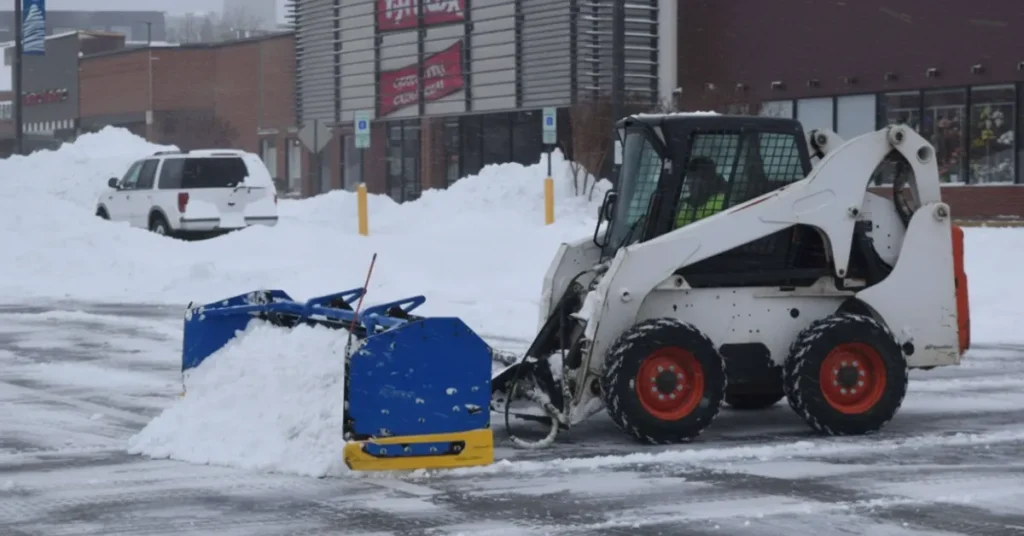
Winter brings its own challenges to businesses, especially those operating large industrial facilities. Snow accumulation on industrial properties can lead to operational delays, safety hazards, and higher costs if not managed effectively. This makes industrial snow removal an essential service for keeping operations running smoothly. From industrial facility snow removal to industrial roof snow removal and broader industrial property snow removal, businesses rely on expert teams to handle these tasks efficiently. The snow removal industry has evolved significantly, and professional industrial snow removal services now offer solutions tailored to the unique needs of industrial operations.
Why Industrial Snow Removal Matters
Snow might look harmless from the outside, but for industrial sites, it poses serious risks. Heavy snowfall can block loading docks, make parking lots unsafe, and compromise roof integrity. Industrial snow removal ensures that these areas remain accessible, safe, and operational.
Proper snow management isn’t just about clearing snow. It’s about preventing downtime, protecting expensive equipment, and maintaining compliance with safety regulations. For instance, if snow piles up on a warehouse roof, the weight could damage the structure, resulting in long-term disruptions. Snow removal services prioritize these concerns, using specialized equipment and experienced crews to minimize risks.
Investing in professional snow removal also improves efficiency. With a reliable plan, staff can focus on core operations instead of spending hours shoveling or worrying about safety hazards. This proactive approach saves time and money while reducing liability.
Key Industrial Snow Removal Methods
Mechanical Snow Removal
One of the most common methods in the snow removal industry is mechanical snow removal. This includes plows, skid steers, and front-end loaders designed to clear large amounts of snow quickly. Industrial facility snow removal benefits greatly from these machines, especially in parking lots, driveways, and outdoor storage areas. Mechanical removal is faster than manual labor, allowing operations to resume sooner and reducing the risk of accidents caused by ice and snow buildup.
Snow Blowing and Snow Throwers
Snow blowers are ideal for areas where heavy equipment cannot reach. Industrial property snow removal using high-capacity snow blowers can clear narrow pathways, pedestrian zones, and equipment access points effectively. These machines are often preferred for industrial roof snow removal, where precision and control are crucial to avoid damaging roofing materials.
Manual Snow Removal
While less common, manual snow removal remains necessary in tight spaces or around delicate equipment. Snow removal services often combine manual techniques with machinery to ensure complete coverage. Crews use shovels and ergonomic tools to target hard-to-reach areas, ensuring no snow is left behind that could create hazards.
Preventing Snow-Related Damage
Snow accumulation can create long-term problems if left unchecked. Water from melting snow can seep into industrial structures, and repeated freeze-thaw cycles can affect pavement integrity. Industrial snow removal teams not only clear snow but also monitor potential trouble spots to prevent structural damage.
Industrial roof snow removal, in particular, requires careful attention. Excessive snow weight can lead to sagging or leaks. Regular inspections combined with strategic snow removal protect roofs while keeping business operations uninterrupted. Maintaining a proactive snow removal plan reduces liability and ensures compliance with occupational safety standards.
Seasonal Strategies for Industrial Snow Removal
Pre-Season Planning
The most effective snow removal strategy starts before the first snowfall. Pre-season planning involves assessing the property, identifying high-risk areas, and establishing a snow removal schedule. Industrial snow removal services can provide customized plans that outline equipment needs, staffing, and timelines, ensuring rapid response when snow hits.
Prioritizing Critical Areas
Not all areas of an industrial property are equally important. Loading docks, main entrances, and key access roads should take priority during snow removal operations. Industrial facility snow removal focuses on these critical zones first, ensuring that essential operations continue without interruption. Less critical areas can then be addressed efficiently.
Post-Snow Maintenance
Even after snow is removed, ongoing maintenance is necessary. Ice control, drainage checks, and snow pile management prevent accidents and reduce long-term damage to property. Industrial snow removal services often include these follow-up steps to maintain safety and operational efficiency.
Equipment and Technology in Modern Snow Removal
Advances in snow removal technology have made snow removal more efficient than ever. GPS-equipped plows, automated snow blowers, and predictive weather software allow teams to respond quickly and accurately. Industrial property snow removal benefits from these innovations, reducing response times and minimizing disruption.
High-capacity de-icing equipment also plays a vital role in industrial snow removal. By preventing ice buildup, these tools protect both personnel and vehicles while enhancing operational continuity. Modern technology ensures that industrial roof snow removal, in particular, can be performed safely without putting crews at risk.
Training and Safety Protocols
Snow removal is physically demanding and potentially dangerous, especially in industrial settings. Comprehensive training for snow removal crews ensures they handle equipment safely and follow best practices. Snow removal services emphasize safety protocols, including proper use of machinery, personal protective equipment, and emergency procedures. A well-trained team reduces workplace accidents and ensures that snow removal operations remain efficient even during heavy storms.

FAQs
What is industrial snow removal?
Snow removal refers to the professional clearing of snow and ice from industrial facilities, including parking lots, roofs, loading docks, and access roads. It ensures safe and uninterrupted operations during winter.
Why is industrial roof snow removal important?
Removing snow from roofs prevents structural damage, leaks, and safety hazards. It also reduces the risk of downtime caused by unexpected roof collapses or water damage.
How do industrial snow removal services differ from standard snow clearing?
These services use specialized equipment and techniques tailored for industrial properties, ensuring large areas and heavy structures are cleared safely and efficiently.
What areas are covered in industrial property snow removal?
Services typically cover parking lots, sidewalks, entrances, access roads, roof surfaces, and other areas critical to facility operations.
Can pre-season planning improve snow removal efficiency?
Yes, planning ahead helps prioritize critical zones, allocate resources effectively, and respond quickly to storms, preventing costly operational delays.
Conclusion
Effective snow removal is essential for maintaining safety, preventing costly delays, and protecting valuable assets. From mechanical snow removal to strategic roof clearing, professional industrial snow removal services use a combination of technology, expertise, and careful planning to keep operations running smoothly. Businesses that invest in industrial facility snow removal and proactive snow management experience fewer interruptions and enhanced safety throughout winter. If your industrial property needs reliable snow removal, Morfin Industrial Snow Removal Services provides tailored solutions to ensure your facility stays operational, safe, and productive no matter how severe the winter weather gets.