


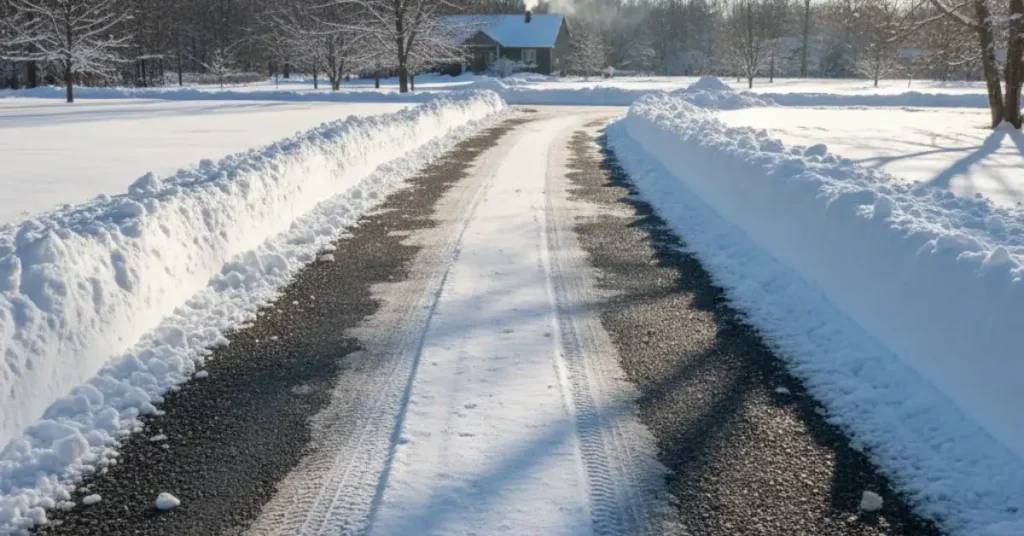
Winter can transform a calm morning into a chaotic scramble if your gravel driveway is buried under snow. Proper snow removal from gravel driveways is crucial not just for safety but also for maintaining the integrity of your driveway. Unlike paved surfaces, gravel requires a careful approach to avoid displacing stones or creating uneven ruts. In this article, we’ll cover practical strategies and professional tips to make gravel driveway snow removal faster, safer, and more efficient.
Why Gravel Driveways Require Special Snow Removal Techniques
Removing snow from gravel driveways isn’t the same as clearing asphalt or concrete. Gravel is loose, and aggressive tools or plowing methods can shift stones or create depressions.
Challenges of Snow Removal on Gravel
- Shifting stones can lead to uneven surfaces that are tricky to navigate.
- Deep snow can mix with gravel, making it difficult to separate without proper technique.
- Standard snow blowers or plows without adjustable blades can scrape too much gravel along with snow.
For these reasons, understanding the right tools and methods is essential. Doing it wrong can turn your driveway into a patchy, bumpy mess and slow down future snow clearing.
Essential Tools for Gravel Driveway Snow Removal
Having the right equipment can drastically improve your efficiency and safety. Using inappropriate tools often leads to frustration and wasted time.
Recommended Tools
- Snow shovels with plastic edges: These are ideal for manual clearing without displacing gravel.
- Adjustable snow plows: If you prefer mechanical clearing, choose plows that can be raised slightly to avoid scraping gravel.
- Snow blowers with auger control: Models that lift snow rather than grind it down protect the gravel underneath.
- Ice melt or traction sand: Safe alternatives to rock salt help prevent slippery patches without harming the driveway stones.
Selecting tools suited for gravel will make your snow removal tasks faster and preserve the integrity of your driveway.
Step-by-Step Strategy to Remove Snow Driveway Efficiently
A structured approach ensures that removing snow from gravel driveway doesn’t turn into a back-breaking task.
Step 1: Clear Pathways First
Start with a narrow path from the garage or house to the road. This gives you immediate access and prevents unnecessary spreading of snow across the entire driveway.
Step 2: Use Layered Removal
If snow is heavy, remove it in layers rather than attempting to lift a full depth at once. This minimizes gravel displacement and makes the job safer.
Step 3: Push, Don’t Scoop
When shoveling, push snow to the edges rather than lifting. This reduces strain and prevents gravel from moving.
Step 4: Finish With Ice Control
Spread sand or ice melt after snow removal to prevent refreezing and slippery patches. This step is crucial for both safety and ease of future snow clearing.
Best Practices for Snow Removal from Gravel Driveways
Consistency is key. Following proven routines prevents damage and keeps your driveway functional all winter.
Maintenance Tips
- Regularly inspect your driveway for loose stones that may have shifted.
- Clear snow before it compacts into ice for easier removal.
- Avoid heavy machinery with fixed blades unless the driveway is reinforced.
- Consider a protective gravel border to prevent snow and ice from spilling into sensitive areas.
These small practices save time, energy, and money while ensuring that best snow removal for gravel driveway techniques remain effective season after season.
Common Mistakes to Avoid
Even experienced homeowners often make mistakes that slow down snow clearing or damage the gravel.
Mistakes to Watch
- Using metal shovels aggressively, which can dig up gravel.
- Waiting too long to remove snow, causing it to compact into ice.
- Applying rock salt indiscriminately, which can degrade the gravel over time.
- Overloading a snow blower with heavy, wet snow, risking equipment damage.
Avoiding these errors keeps your driveway safer and the clearing process much faster.
Advanced Tips for Large Gravel Driveways
Large driveways require slightly different strategies for effective snow removal.
Efficient Techniques
- Divide and conquer: Split the driveway into sections to manage workload efficiently.
- Mechanical support: Use snow blowers or plows with adjustable settings to prevent gravel displacement.
- Windrow method: Create small ridges of snow along edges and remove them later in smaller, manageable loads.
- Regular touch-ups: After heavy storms, a quick follow-up clearing prevents deep snow accumulation.
These techniques are particularly helpful when facing back-to-back storms or long driveways, ensuring gravel driveway snow removal remains practical and stress-free.

FAQ
How do I safely remove snow from gravel driveway without displacing stones?
Use plastic-edged shovels or adjustable plows. Push snow rather than lifting it to minimize stone movement.
Can I use a snow blower on my gravel driveway?
Yes, but choose a model with an auger control or lift feature to prevent gravel from being thrown or displaced.
What is the best way to remove snow driveway quickly?
Start with a narrow path, remove snow in layers, and use sand or ice melt to finish. This keeps the process fast and safe.
Are there alternatives to rock salt for gravel driveways?
Yes, sand or calcium magnesium acetate works well to provide traction without harming the gravel.
How often should I clear snow from gravel driveways?
Ideally, clear snow as soon as it accumulates, especially before it compacts into ice. Regular clearing makes removal faster and safer.
Conclusion
Maintaining a clear, safe gravel driveway doesn’t have to be a seasonal nightmare. By following structured techniques, using the right tools, and avoiding common mistakes, gravel driveway snow removal becomes much easier and more efficient. Remember to push rather than lift snow, clear pathways first, and apply safe traction materials for lasting results. For homeowners seeking expert assistance, Morfin Driveway Snow Removal Services offers professional solutions tailored to gravel surfaces, ensuring your driveway stays safe and navigable throughout the winter.