A dental clinic must meet a much higher level of sanitation than most workplaces. Every surface, instrument area, and patient contact point has the potential to carry harmful microorganisms. This is why many practices rely on dental office cleaning services chicago providers who understand the strict hygiene demands of healthcare environments. Professional teams trained in Chicago commercial dental office cleaning follow precise procedures that support infection control and patient safety. When sanitation is handled correctly, it protects patients, supports staff health, and builds trust within the community. Modern dental offices depend on specialized cleaning systems that go far beyond routine janitorial work. With medical level disinfection methods and structured protocols, these services create a safe clinical setting where patients feel confident receiving care.
Dental environments are unique because procedures involve close contact with saliva, blood, and respiratory droplets. Without strict hygiene measures, bacteria and viruses could spread between surfaces and patients. That risk is the primary reason many practices rely on dental office cleaning services in Chicago to maintain strict cleanliness standards.
Waiting rooms, treatment areas, and front desks see constant activity. High touch points such as chairs, door handles, and payment counters can collect microorganisms throughout the day. Professional cleaning teams use medical grade disinfectants designed for healthcare spaces. These solutions target common pathogens while remaining safe for clinical environments.
Patients notice cleanliness the moment they walk into a dental clinic. A spotless reception area and sanitized treatment room create immediate confidence. Consistent sanitation provided through dental office cleaning services chicago helps reinforce that the practice values patient safety. When people feel secure about hygiene, they are far more comfortable scheduling and returning for appointments.
Healthcare sanitation requires far more precision than typical office cleaning. Dental facilities must follow strict procedures that support clinical hygiene and regulatory expectations. This is why trained professionals from dental office cleaning services chicago follow detailed checklists designed for medical settings.
Treatment spaces require targeted sanitation after patient visits and again at the end of the day. Professional teams focus on areas frequently exposed to contaminants. These include:
Each area is disinfected using healthcare grade products that eliminate pathogens while protecting sensitive equipment.
Reception areas and staff spaces also require regular attention. Waiting room chairs, restroom surfaces, and office desks must remain sanitary throughout the day. A structured sanitation schedule from dental office cleaning services chicago ensures these areas stay clean without interrupting daily clinic operations.
A specialized cleaning approach does more than maintain appearance. It actively reduces health risks within the dental environment. Professional dental office cleaning services Chicago teams follow infection control protocols that align with healthcare recommendations.
Cross contamination occurs when microorganisms move from one surface or person to another. In dental clinics, this can happen quickly if surfaces are not sanitized properly. Professional cleaners understand how contamination spreads and apply targeted disinfection techniques to stop it. Their training helps ensure each treatment room begins the day in a fully sanitized condition.
Dental professionals work in close contact with patients throughout the day. When clinical spaces remain sanitary, the risk of exposure to harmful pathogens decreases significantly. Many clinics rely on dental office cleaning services in Chicago to maintain this protective environment for both staff members and patients.
Dental clinics must meet sanitation standards established by healthcare authorities. These guidelines exist to protect public health and prevent the spread of infectious disease. Chicago practices often depend on dental office cleaning services chicago that understand these requirements and apply them consistently.
Healthcare environments follow sanitation guidelines influenced by organizations such as the Centers for Disease Control and Prevention and the Occupational Safety and Health Administration. These standards recommend strict surface disinfection, safe waste handling, and structured cleaning routines.
Professional cleaning providers often maintain detailed logs showing when sanitation procedures were completed. These records help clinics demonstrate compliance during inspections. Reliable dental office cleaning services Chicago maintain consistency so practices can focus on patient care rather than sanitation concerns.
Not all commercial cleaning teams have experience in healthcare environments. Dental clinics need providers that understand infection control principles and clinical sanitation procedures. The right dental office cleaning services chicago partner will offer trained staff, structured protocols, and consistent quality.
A strong sanitation partner should demonstrate several important qualities:
Working with qualified dental office cleaning services chicago helps ensure that sanitation standards remain consistent throughout the practice.

Why do dental clinics need specialized cleaning services?
Dental clinics involve exposure to bodily fluids and airborne particles. Professional dental clinic sanitation in Chicago ensures proper disinfection of treatment areas, reducing infection risk for patients and staff.
How often should a dental office be professionally cleaned?
Most clinics schedule daily sanitation for treatment rooms and shared spaces. Many practices rely on dental office cleaning services chicago teams to perform detailed disinfection after operating hours.
Are regular office cleaners suitable for dental clinics?
Standard office cleaning often focuses on general appearance. Healthcare environments require medical level sanitation, which is why Chicago commercial dental office cleaning specialists are recommended.
What areas receive the most attention during dental cleaning services?
Treatment rooms, dental chairs, instrument stations, restrooms, and reception surfaces receive the highest level of disinfection during professional dental clinic cleaning in Chicago.
How does professional cleaning improve patient confidence?
A clean clinic environment signals professionalism and safety. Many patients feel more comfortable visiting practices that rely on trusted dental office cleaning services chicago providers.
Sanitation plays a central role in patient protection within dental clinics. From treatment rooms to waiting areas, every surface must remain clean and disinfected to prevent the spread of harmful microorganisms. Professional dental office cleaning services chicago providers bring specialized knowledge, medical grade sanitation practices, and consistent procedures that support both patient health and staff safety. When clinics partner with experts who understand healthcare sanitation standards, they create a cleaner and more trustworthy environment for everyone who walks through the door. For dental practices seeking reliable hygiene support in Chicago, Morfin Dental Cleaning Services provides the professional expertise needed to maintain a safe and welcoming clinical space.
Maintaining a spotless workplace is essential for productivity, but embracing sustainability does not have to be a compromise. Switching to environmentally friendly office cleaning solutions allows companies to keep their spaces pristine while reducing their ecological footprint. Modern green cleaning methods use safer products, efficient tools, and mindful practices that protect both employees and the environment. By integrating these strategies, offices can thrive in a clean, healthy, and sustainable way without sacrificing performance.
Eco friendly office cleaning is more than a trend; it is a commitment to sustainable business practices. Unlike traditional cleaning methods that rely on harsh chemicals, environmentally conscious cleaning uses biodegradable products and energy-efficient equipment. This approach not only reduces pollution but also improves indoor air quality, which can lower sick days and increase overall employee satisfaction.
The workplace is a hub of daily activity, and chemical residues from standard cleaning agents can accumulate over time. By switching to environmentally friendly office cleaning, companies can significantly decrease toxins in the air and on surfaces. Employees are less likely to suffer from headaches, allergies, or skin irritations when cleaning products are eco-conscious. Additionally, adopting green methods reflects well on the company’s image, appealing to clients and staff who value sustainability.
Transitioning to an eco-friendly cleaning routine requires deliberate steps. Small changes can make a big difference without disrupting daily operations.
The cornerstone of eco friendly office cleaning is selecting products free from harmful chemicals. Look for certifications that ensure the products are biodegradable, phosphate-free, and safe for sensitive environments. These items clean effectively without introducing toxins into the office.
Switching to microfiber cloths and reusable mop heads reduces waste while maintaining high hygiene standards. Vacuum cleaners with HEPA filters capture dust and allergens efficiently, preventing them from circulating in the air. Using energy-efficient equipment also helps lower electricity consumption.
Simple practices such as reducing paper usage, organizing clutter to ease cleaning, and encouraging proper waste disposal contribute to a sustainable cleaning routine. By integrating these habits into daily office life, the benefits of environmentally friendly office cleaning extend beyond surface shine.
Green cleaning is not just about the products; it is also about minimizing waste generation.
Instead of overusing sprays and wipes, measure products carefully and focus on areas that need attention. This not only reduces environmental impact but also saves money.
Providing clearly labeled recycling bins and compost stations encourages staff participation. When employees actively separate waste, offices generate less landfill material and reinforce eco-conscious habits.
Opt for recycled paper products and purchase cleaning supplies with minimal packaging. Bulk purchases can further reduce plastic waste, contributing to a greener office footprint.
A truly sustainable office combines cleanliness with well-being.
Indoor plants not only enhance aesthetics but also filter air naturally. Pairing this with ventilation practices and eco-friendly cleaning agents helps maintain a healthy atmosphere for everyone.
Cleaning and sustainability should be a team effort. Training staff on green practices, such as proper product usage and energy-saving habits, ensures long-term commitment to eco friendly office cleaning.
Regularly assess your green cleaning protocols. Feedback from employees and observation of office conditions help identify areas for improvement, making your sustainable approach more effective over time.
Professional support can simplify the shift to eco-friendly cleaning without compromising quality. Companies like MorfinCleaningServices specialize in eco friendly office cleaning, offering tailored solutions that keep spaces immaculate while adhering to environmentally conscious standards. Partnering with experts ensures the proper products, equipment, and techniques are consistently applied.

What is eco friendly office cleaning?
Eco friendly office cleaning refers to using sustainable products and methods to maintain a clean workplace. This includes biodegradable cleaners, energy-efficient tools, and waste reduction strategies.
Are green cleaning products effective?
Yes. Modern environmentally friendly cleaning products are formulated to remove dirt and germs effectively while being safe for humans and the planet.
Can green cleaning improve employee health?
Absolutely. By reducing exposure to harsh chemicals, eco friendly office cleaning decreases the risk of allergies, respiratory issues, and skin irritation among employees.
How often should eco friendly office cleaning be done?
Frequency depends on office size and activity. Daily high-touch surface cleaning and weekly deep cleaning are recommended for optimal hygiene.
Is eco friendly office cleaning more expensive?
Initial costs may be slightly higher, but energy savings, reduced sick days, and long-term sustainability often offset the investment.
Embracing eco friendly office cleaning is a practical and responsible choice for modern businesses. By selecting non-toxic products, optimizing equipment, reducing waste, and encouraging sustainable habits, offices can maintain cleanliness without harming the environment. Partnering with experienced providers like MorfinCleaningServices ensures a professional, consistent approach to green cleaning that benefits both employees and the planet. Start implementing these practices today and watch your office become a healthier, more sustainable space.
Maintaining a clean and sanitary environment in medical facilities is critical to ensuring patient safety. For clinics in bustling urban areas, professional medical office cleaning Chicago services play a vital role in keeping spaces free from harmful germs and infections. Chicago medical office cleaning is not just about appearance. It is about creating a safe environment where patients can receive care without added health risks. With the right protocols and trained staff, these services help clinics uphold high hygiene standards while allowing medical professionals to focus on patient care.
Patient safety in clinics starts with cleanliness. Regular cleaning routines conducted by trained professionals go beyond simple surface wiping. They involve thorough disinfection of high-touch areas such as door handles, countertops, waiting room chairs, and medical equipment. Without professional cleaning, harmful bacteria, viruses, and other pathogens can accumulate, increasing the risk of infections.
A clean clinic also affects patient perception. Patients are more likely to trust a facility that demonstrates visible attention to hygiene. Using specialized medical cleaning solutions and techniques, medical office cleaning Chicago companies provide both visible and invisible protection, ensuring the environment is not only neat but also clinically safe.
High-touch surfaces are the primary carriers of germs in medical facilities. Professional cleaners prioritize these areas to prevent cross-contamination. Using hospital-grade disinfectants, they focus on surfaces like reception desks, keyboards, examination tables, and light switches.
While medical staff handle the internal sterilization of instruments, professional cleaners ensure that surrounding surfaces and storage areas meet hygiene standards. Proper cleaning prevents external contamination of sterilized tools, keeping the clinic safe for patient procedures.
Medical cleaning also addresses airborne contaminants. Techniques like HEPA vacuuming, proper ventilation maintenance, and surface cleaning help reduce airborne bacteria and dust, contributing to a healthier clinic environment.
Not all medical offices have the same cleaning needs. A pediatric clinic, for instance, requires different hygiene protocols compared to a dental office. Professional cleaning services offer customized schedules and checklists tailored to each facility.
These plans consider clinic size, patient volume, and specific regulatory requirements. Daily cleaning, deep disinfection sessions, and periodic sanitation audits ensure that every corner of the facility is hygienic. By implementing personalized cleaning strategies, medical office cleaning Chicago teams help clinics maintain compliance with health standards while reducing infection risks.
Relying on trained professionals guarantees consistent cleaning practices. Staff members follow strict protocols and documented procedures to ensure no area is overlooked.
Professional cleaners receive training specific to healthcare environments. They understand pathogen behavior, correct chemical usage, and proper disposal techniques. This expertise significantly reduces the risk of contamination.
Medical staff can focus entirely on patient care rather than spending time on cleaning duties. Clinics benefit from improved efficiency while maintaining a sterile environment.
A clean, well-maintained clinic contributes to patient comfort and confidence. Visitors are reassured when they see an environment that prioritizes safety and hygiene.
Even minor oversights can compromise patient safety. Many clinics underestimate the importance of frequently cleaning overlooked areas, such as:
Another common mistake is using inappropriate cleaning agents that may damage surfaces or fail to eliminate pathogens. Professional medical office cleaning Chicago providers use approved disinfectants and follow best practices to avoid these pitfalls.
Even with regular professional cleaning, clinics can maintain hygiene by:
These simple steps complement professional services and reinforce infection control measures.

What is the difference between standard cleaning and medical office cleaning Chicago?
Medical office cleaning Chicago goes beyond regular janitorial work. It involves using specialized disinfectants, adhering to health protocols, and targeting high-risk areas to prevent the spread of pathogens.
How often should clinics schedule professional cleaning?
Frequency depends on the clinic type and patient volume. High-traffic areas may need daily cleaning, while deeper disinfection might occur weekly or monthly. Customized schedules ensure optimal hygiene.
Are cleaning products safe for patients and staff?
Yes, professional cleaners use hospital-approved solutions that are effective against germs while being safe for humans when used correctly.
Can professional cleaning reduce infection rates?
Absolutely. Clinics that follow strict cleaning protocols experience fewer cross-contamination events, leading to lower infection risks for patients and staff.
What should clinics look for in a cleaning service provider?
Experience in healthcare environments, trained staff, comprehensive checklists, and use of proper disinfectants are key indicators of a reliable provider. Reputation and reviews also help evaluate effectiveness.
Patient safety is non-negotiable in any medical setting. Professional medical office cleaning Chicago services ensure clinics remain sanitary, reducing the risk of infections while supporting a positive patient experience. From high-touch surface disinfection to tailored cleaning plans, these services combine expertise, consistency, and attention to detail to create safer environments. Clinics that partner with dedicated cleaning providers, such as Morfin Medical Office Cleaning, benefit from cleaner spaces, healthier patients, and staff who can focus on providing care rather than worrying about hygiene. Investing in professional cleaning is investing in trust, health, and long-term clinic success.
Winter in Chicago can be beautiful, but it also comes with its challenges for local businesses. Heavy snowfall and icy conditions can quickly turn parking lots, sidewalks, and entryways into hazards. For business owners, ensuring the safety of both property and customers is critical. One of the most effective ways to manage winter weather is by investing in reliable Chicago snow plow services. With professional help, your property can stay accessible and safe throughout the harshest months, preventing costly disruptions and accidents. Early preparation, routine maintenance, and proper snow management are essential steps every Chicago business should take, especially when considering options like snow plowing Chicago il.
Business owners should start by identifying which areas are most vulnerable to snow accumulation. Parking lots, sidewalks, and entrances tend to experience the heaviest use and can quickly become unsafe during a snowstorm. Mapping out these spaces allows you to prioritize clearing and ensures that high-traffic areas receive attention first. Using professional snow plow service Chicago providers ensures these areas are addressed efficiently and consistently.
Having a clear winter plan reduces stress when a storm hits. Consider creating a schedule for snow removal, including the frequency of plowing and de-icing. Assign staff responsibilities or coordinate with your Chicago snow plow provider to ensure the property is monitored regularly. A well-thought-out strategy saves time and prevents minor snow accumulation from turning into a bigger problem.
Not all snow removal services are created equal. Selecting a professional Chicago snow plow company ensures access to modern equipment and experienced operators who know how to handle different types of snow conditions. A reliable provider can quickly clear large commercial parking lots and maintain safe access to your building without disrupting operations.
When comparing services, consider response time, equipment quality, and experience working with commercial properties. Companies offering snow plowing Chicago il packages often provide seasonal contracts, which guarantee prompt service during heavy snow events. This consistency can be invaluable during unpredictable winter weather.
Slippery surfaces are a major concern for any business. Icy sidewalks or improperly cleared parking areas can lead to accidents, potential liability, and lost business. Regular use of a snow plow service Chicago team helps keep walkways clear, while spreading sand or safe ice-melt products provides additional traction for pedestrians.
Blocked entrances can deter customers and delivery vehicles alike. Ensuring that all entry points are easily accessible during winter keeps operations running smoothly. A scheduled Chicago snow plow service ensures your property remains navigable, even during heavy snowfall.
Frequent inspections help identify areas prone to snow buildup or ice formation. Check for low spots in parking lots or uneven sidewalks that might collect water and freeze. Addressing these issues proactively reduces hazards and keeps your property looking professional.
Even if you hire a snow plow, having basic tools on hand can be helpful. Shovels, ice scrapers, and salt can handle minor accumulation before professional services arrive. Staff should be trained on how to use these tools safely to prevent injuries.
Stay in touch with your snow plowing Chicago il provider throughout the season. Updating them on construction, special events, or unusual weather patterns ensures that your property receives the attention it needs. Effective communication prevents gaps in service and keeps your business accessible at all times.
Investing in a seasonal contract with a reputable Chicago snow plow company often results in better rates and guaranteed service. Pre-planned contracts allow businesses to budget for winter services without worrying about last-minute charges or availability issues.
Proper snow removal saves more than just convenience. Efficient clearing reduces the risk of damage to pavement, curbs, and landscaping, which can otherwise add to maintenance costs. Using professional snow plow service Chicago providers ensures that snow is moved carefully and effectively.
Winter storms can be sudden and intense in Chicago. Having a reliable Chicago snow plow provider on call allows for quick response, minimizing disruptions to business operations. Speedy snow removal can also prevent accidents and protect customers from dangerous conditions.
Even with professional services, businesses should prepare for extreme weather. Designate staff to monitor conditions, have supplies ready for emergencies, and establish a contingency plan if snow removal is temporarily delayed. Planning ahead ensures safety and continuity.

What is the best way to find a Chicago snow plow provider?
Look for local companies with commercial experience and positive reviews. Services offering snow plowing Chicago il packages are usually more reliable for ongoing needs.
How often should a snow plow service Chicago clear a parking lot?
Frequency depends on the intensity of the storm, but high-traffic areas should be cleared multiple times during heavy snowfall to ensure accessibility.
Can seasonal contracts help reduce winter maintenance costs?
Yes. Seasonal agreements with a Chicago snow plow provider often offer predictable rates and faster response times, saving money and stress.
What safety measures should businesses take during snowstorms?
In addition to professional plowing, using sand, ice melt, and regular inspections of entrances and walkways can reduce slip hazards.
Are there specialized services for commercial properties in Chicago?
Many providers offer snow plow service Chicago packages designed for commercial needs, ensuring parking lots and entrances are cleared efficiently.
Winter in Chicago presents significant challenges, but businesses can take proactive steps to protect property and customers. Reliable Chicago snow plow services, careful planning, and consistent maintenance prevent hazards and maintain smooth operations. Investing in professional snow management, whether through seasonal contracts or on-demand service, ensures safety and accessibility throughout the winter months. For Chicago businesses looking to stay prepared and avoid disruptions, partnering with experienced teams like MorfinCleaningServices provides peace of mind and reliable results during the snowiest months of the year.
Winter can be a magical time on school campuses, with fresh snow blanketing the grounds and creating a picturesque scene. However, it also brings serious safety concerns and logistical challenges. Effective school snow removal is critical not only for keeping students, staff, and visitors safe but also for maintaining smooth operations throughout the winter months. Schools and colleges must plan ahead to manage snow and ice efficiently while minimizing disruptions to daily activities. Professional services can help ensure that paths, parking lots, and entryways remain accessible and hazard-free.
Snow accumulation on campus is more than just an inconvenience. Unmanaged snow and ice can cause slip-and-fall accidents, vehicle collisions in parking areas, and even temporary closures that disrupt the academic calendar. By prioritizing school and college snow removal, administrators can reduce liability risks and maintain a safe environment for everyone on campus. Proactive snow management also protects school property, preventing damage to walkways, stairs, and landscaping from repeated snow exposure.
Furthermore, proper snow removal enhances accessibility for students with disabilities, ensuring compliance with safety standards and promoting inclusivity. For campuses that host events during the winter, clear pathways and parking areas are essential for smooth traffic flow and attendee safety. Without a structured plan, snow can quickly become a hazard that affects daily routines, emergency access, and community perception of the school.
Effective snow management begins long before the first snowfall. Schools should develop a comprehensive snow removal plan that outlines responsibilities, schedules, and equipment needs. This includes:
Preparation also involves monitoring weather forecasts and setting thresholds for when snow removal operations should start. By planning ahead, schools can respond quickly to storms and prevent snow from accumulating to dangerous levels. A proactive approach minimizes the impact on daily operations and ensures a safer campus for everyone.
Clearing walkways and entrances is a top priority during winter. These high-traffic areas pose the greatest risk for slips and falls, making timely snow management crucial. Safe practices include:
It is important to designate staff or professional crews specifically for these areas, as delayed attention can create hazardous conditions in minutes. For campuses with heavy foot traffic, maintaining clear and dry paths demonstrates a commitment to safety and efficiency. Schools that invest in proper snow removal reduce the likelihood of accidents and potential liability claims.
Parking lots are often overlooked during winter maintenance, but they present unique challenges. Snow accumulation can obscure lines, create uneven surfaces, and make vehicle navigation hazardous. Effective school snow removal strategies for parking areas include:
Proper management of parking areas ensures that buses, staff, and visitors can access the campus safely. When parking lots are neglected, accidents can increase, and daily routines can be severely disrupted. Investing in regular snow clearing protects both property and people while keeping the school running smoothly during harsh winter conditions.
Having the right equipment is crucial for efficient snow removal on school campuses. Schools should consider the following essential items:
Regular maintenance of equipment is equally important. A snow blower that fails mid-operation or a plow with worn-out blades can slow down the process and create safety risks. Schools should also ensure that staff is trained to use equipment safely, preventing injuries and improving operational efficiency.
Snow removal impacts both the environment and the school budget. Excessive use of salt can damage landscaping and nearby water sources, while repeated plowing can wear down pavements. Balancing effective snow management with sustainability is essential. Schools can adopt eco-friendly de-icing products, recycle snow in designated areas, and optimize snow removal schedules to conserve resources.
Budgeting for snow removal is another critical factor. Costs can fluctuate based on snowfall frequency, equipment needs, and labor. Partnering with professional services can provide predictable costs and ensure that snow removal is done efficiently without unexpected expenses. Prioritizing safety while managing resources responsibly ensures long-term benefits for the campus.
Maintaining a clear and safe campus throughout winter requires consistent effort. Consider these ongoing practices:
By following these tips, schools can maintain a functional and secure environment even during heavy snow periods. Small, consistent actions prevent major hazards and reinforce the school’s commitment to safety.

What is the difference between school snow removal and general snow management School snow removal focuses on clearing walkways, entrances, and parking areas to ensure student and staff safety. It involves specialized planning for high-traffic areas and accessibility compliance, unlike general residential snow management.
How often should snow be cleared on campus
Snow should be removed as soon as accumulation occurs, particularly in walkways and entrances. Regular monitoring during storms is essential to prevent ice formation and hazardous conditions.
Are there eco-friendly options for de-icing
Yes. Schools can use environmentally friendly de-icing products made from potassium chloride or sand mixtures that reduce impact on soil, plants, and water sources.
Can professional services handle large campuses effectively
Absolutely. Professional companies have the equipment, trained staff, and experience to clear large school and college grounds efficiently, minimizing disruption to daily operations.
Is snow removal required for compliance and safety standards
Yes. Proper snow management helps schools meet safety regulations and accessibility standards while reducing liability from slips, falls, or accidents on campus.
Winter snow management is essential for the safety, accessibility, and smooth operation of any school campus. From planning and equipment selection to daily maintenance, effective school snow removal protects students, staff, and visitors while reducing liability and operational disruptions. A consistent, proactive approach ensures that winter does not become a barrier to learning or campus activities. Schools can benefit significantly from partnering with reliable service providers. Professional teams, such as Morfin School Cleaning Services, bring experience, resources, and attention to detail that keep every walkway, entrance, and parking area safe throughout the snowy season. Taking snow management seriously is an investment in safety, efficiency, and peace of mind.
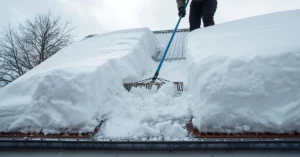
Winter can be beautiful, but for commercial property owners, it often brings hidden challenges. Heavy snow accumulation can put serious stress on your roof, leading to leaks, structural strain, or even dangerous collapses. That is why professional commercial roof snow removal is not just a precaution; it’s a necessity. Businesses with large buildings often rely on industrial building roof snow removal and commercial roof snow clearing services to ensure safety and maintain property integrity throughout the cold months. In this guide, we’ll explore practical strategies to protect your commercial roof from winter damage, helping you avoid costly interruptions and keep your building safe.
Snow might look harmless, but its weight and moisture content can be a real threat. For example, a foot of fresh snow can weigh up to 20 pounds per square foot, while wet, compacted snow can exceed 50 pounds per square foot. That means even moderately sized snow accumulation can push your roof to its limits.
Commercial buildings with flat or low-slope roofs are particularly vulnerable because snow doesn’t slide off easily. Ice dams and icicles can form along roof edges, creating added weight and water retention. In some cases, standing snow can also trap moisture, increasing the likelihood of leaks.
Industrial building roof snow removal not only mitigates these risks but also protects your staff, customers, and equipment from potential hazards caused by sudden snow shifts or roof stress. Timely action ensures the building remains functional and safe throughout winter.
Not all snow removal is created equal. Some building owners try to handle it themselves, but this can be risky without proper equipment and training. Using commercial roof snow clearing services ensures the job is done safely and effectively.
Experts use specialized roof rakes, snow blowers, and even low-impact heating systems to remove snow efficiently. These methods reduce the risk of roof surface damage while addressing snow loads evenly. Additionally, trained crews can identify vulnerable areas, such as roof seams, drains, or HVAC units, that might need extra attention.
The timing of snow removal is critical. Removing snow immediately after a heavy snowfall prevents excessive accumulation and limits ice formation. Professionals often schedule routine checks during peak winter months to maintain a safe roof load.
By relying on skilled crews, building owners avoid the dangers of climbing roofs in icy conditions and prevent improper removal techniques that can damage roofing materials.
Routine maintenance is key to long-term roof protection. While snow removal is essential during winter, preparation before the cold season makes the process smoother and safer.
Before the first snowfall, inspect your roof for weak spots, clogged drains, or minor surface damage. Addressing these issues early prevents small problems from escalating under heavy snow.
Proper insulation and ventilation reduce ice dam formation. Maintaining clear gutters and roof edges also allows melting snow to drain naturally, minimizing excess weight buildup.
Even minor debris like leaves or loose gravel can trap moisture under snow. Keeping your roof clean ensures commercial roof snow removal is more effective and reduces stress on the structure.
These preventive steps, combined with professional snow clearing services, keep your commercial property safer and more resilient throughout winter.
Snow removal on commercial roofs is not just about protecting the building; it’s about keeping everyone safe. Attempting to remove heavy snow without proper equipment or training is dangerous and can lead to severe injuries.
Proper gear, fall protection, and awareness of roof load limits are essential. Professional teams are trained to work in these conditions, reducing the risk of accidents.
Using the wrong tools or methods can damage roofing membranes, shingles, or HVAC units. Experienced crews know how to handle different roof types, ensuring the structure remains intact.
Prioritizing safety not only protects your team but also extends the life of your roof, making commercial roof snow removal a strategic investment rather than just a seasonal task.
Hiring a professional service brings peace of mind and tangible benefits. Beyond immediate snow removal, these services can prevent long-term issues that might disrupt business operations.
For industrial facilities and large commercial buildings, these advantages make professional commercial roof snow clearing services a practical and cost-effective choice during winter.
What is commercial roof snow removal?
Commercial roof snow removal is the process of safely removing snow from large commercial or industrial buildings to prevent structural damage and ensure safety.
How often should I schedule industrial building roof snow removal?
It depends on snowfall levels, but typically after every heavy snowfall or when accumulation exceeds a foot. Regular checks during winter months are recommended.
Are there risks if I remove snow myself?
Yes, DIY removal can be dangerous. Falls, equipment misuse, or roof damage are common risks. Hiring professionals ensures safety and proper techniques.
What are the benefits of commercial roof snow clearing services?
Professional services prevent structural damage, reduce maintenance costs, and ensure timely removal without risking safety. They also help maintain compliance with insurance requirements.
Can snow removal prevent ice dams?
Yes, consistent snow removal and proper roof maintenance reduce ice dam formation by allowing snow to melt and drain naturally.
Winter challenges don’t have to threaten your commercial property. By prioritizing commercial roof snow removal, property owners can prevent costly structural issues, maintain safe conditions, and protect business operations. Regular inspections, professional cleaning, and smart maintenance practices work together to keep your roof resilient.
When it comes to ensuring the safety and longevity of your commercial roof, professional help makes all the difference. Morfin Snow Cleaning Services offers expert care, helping businesses manage snow loads effectively while keeping both staff and property safe. Take action now and safeguard your building before the next snowfall arrives.
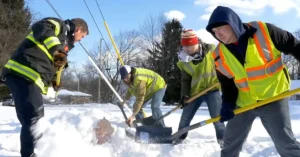
Winter weather brings unique challenges for businesses, especially when it comes to maintaining safe and accessible commercial properties. One of the most critical aspects of winter preparedness is commercial office snow removal. Without proper planning, snow and ice can create hazards, reduce productivity, and even affect a company’s reputation. Incorporating strategic site planning ensures that snow removal operations are efficient, safe, and cost-effective. For businesses that rely on heavy foot traffic, considering factors like parking lot layout, entryways, and emergency access routes can make a world of difference. Planning ahead not only reduces risk but also allows facility managers to work smarter, not harder, during unpredictable snowstorms.
Snow and ice accumulation can significantly disrupt daily operations in commercial office spaces. Neglecting proper snow removal can lead to slips, falls, and vehicle accidents, which may result in legal liabilities. Effective snow management begins with recognizing the specific needs of a property. Every office building is unique, and the areas requiring attention vary from large parking lots to narrow walkways and access ramps. Implementing a structured snow removal plan minimizes downtime and ensures that employees and visitors can move safely. Additionally, proactive planning allows businesses to allocate resources efficiently, reducing the likelihood of emergency costs and overtime labor during heavy storms.
Site planning identifies the critical areas that need consistent snow clearing, like entrances, high-traffic walkways, and loading zones. It also determines the placement of snow storage zones to prevent obstruction of parking or traffic. Thoughtful site planning supports effective use of equipment such as snowplows and de-icing materials. Without a clear plan, snow removal teams may waste time moving snow multiple times or struggle with inefficient routes. For commercial properties, a pre-established snow plan is not just practical, it’s essential for operational continuity and safety compliance.
Creating a reliable commercial office snow removal strategy requires several key elements. First, identifying priority areas ensures that the most critical spots are addressed immediately after a snowfall. These areas often include main entrances, handicap ramps, and pathways frequently used by employees and clients. Second, selecting the right equipment and materials, like salt, sand, or eco-friendly de-icers, makes a noticeable difference in efficiency. Third, clear communication protocols allow staff to report issues or coordinate timing during heavy snow events. Lastly, documenting procedures and site maps helps new personnel understand the workflow quickly, which is crucial during peak winter periods when time is of the essence.
Safety is at the heart of any commercial office snow removal plan. Clear, well-planned snow removal ensures that parking lots and walkways are accessible for everyone, including those with mobility challenges. Ice patches should be identified and treated promptly to prevent accidents. Facility managers should consider seasonal staffing needs and emergency contacts to handle unexpected snowfall. Proper planning also helps businesses maintain positive relationships with clients and tenants, demonstrating a commitment to safety and professionalism. By focusing on accessibility, companies reduce liability risks and improve the overall experience for anyone visiting the property.
One of the often-overlooked aspects of snow removal is storage and disposal. Commercial properties need designated areas to temporarily hold snow before it melts or is hauled away. Inefficient snow storage can block parking spaces, driveways, or emergency exits, creating more problems than it solves. During site planning, managers should identify safe zones for snow piles that won’t interfere with business operations or traffic flow. Properly planned snow storage also ensures that runoff water is managed to prevent ice build-up and flooding in low-lying areas. A well-thought-out snow disposal strategy complements removal efforts and keeps the property fully operational throughout the winter season.
Timing is everything when it comes to commercial office snow removal. Planning routes and schedules before the first snowfall ensures that operations are swift and coordinated. Early snow clearing reduces accumulation and prevents compacted ice layers, which are more challenging to remove. Businesses should consider service agreements with professional snow removal companies to maintain consistent attention during storms. Flexible scheduling allows teams to respond efficiently to varying snowfall intensities, keeping facilities safe and functional. Well-timed operations not only protect property but also boost employee confidence in the company’s preparedness.
Hiring professional snow removal services can significantly enhance the effectiveness of a site plan. Experienced teams have the knowledge, tools, and manpower to execute complex snow removal operations efficiently. They can also provide insights into the best materials and equipment for specific property types. By collaborating with experts, businesses reduce the risk of property damage and ensure that snow removal meets local regulations and safety standards. Outsourcing allows facility managers to focus on other operational priorities while keeping the property safe and accessible during winter months.
What is commercial office snow removal and why is it necessary?
Commercial office snow removal involves clearing snow and ice from office properties to maintain safe access for employees, clients, and visitors. It is necessary to prevent accidents, ensure operational continuity, and protect the company from legal liability.
How often should snow removal be performed at office buildings?
Snow removal frequency depends on snowfall intensity, but high-traffic areas should be cleared immediately after each significant storm. Regular attention prevents ice build-up and reduces long-term hazards.
What are common techniques used in commercial snow removal?
Common methods include plowing, shoveling, snow blowing, and applying de-icing agents. Site planning ensures these techniques are applied efficiently and in the right areas.
Can professional services improve snow removal efficiency?
Yes, hiring professionals brings expertise, equipment, and manpower to handle large-scale snow removal. They also help in creating site plans that reduce waste and improve safety.
How does site planning affect snow removal costs?
Effective site planning minimizes unnecessary labor and equipment use, optimizing routes and prioritizing critical areas. This leads to lower overall costs while maintaining safety standards.
Commercial office snow removal is more than just clearing a path through snow. It requires careful site planning to ensure safety, efficiency, and accessibility throughout the winter season. From prioritizing high-traffic areas to scheduling operations and managing snow storage, a well-structured plan keeps employees, clients, and visitors safe while maintaining smooth business operations. Investing time in strategic planning prevents last-minute scrambling during heavy snowfall and reduces potential hazards and costs. For businesses looking for reliable, professional winter support, companies like Morfin Office Snow Cleaning provide expert guidance, equipment, and execution to ensure your office remains fully operational regardless of the weather. Planning ahead is not just smart, it is essential for any commercial property facing winter’s challenges.
Winter can be a challenging time for warehouse managers and logistics teams. Snow and ice accumulation around loading docks, parking areas, and walkways can disrupt operations and create safety hazards. For businesses that rely on smooth warehouse operations, investing in professional warehouse snow and ice removal services is essential. Effective snow management keeps employees safe, protects inventory, and ensures deliveries continue without interruption.
When it comes to warehouse snow removal, understanding common challenges and implementing proven solutions can save time, money, and frustration. Below, we explore practical strategies for tackling winter’s impact on industrial facilities.
Snow removal at warehouses is more complicated than clearing a residential driveway. Large open spaces, heavy equipment, and frequent vehicle traffic create unique obstacles.
Warehouses often have expansive parking lots and loading areas. When snow piles up, it can block access for delivery trucks and employees. Attempting to move snow without proper planning can result in uneven clearing and dangerous ice patches. Prioritizing high-traffic areas and using specialized plowing equipment is crucial.
Even after snow is removed, leftover ice can create hazards for workers and forklifts. This is particularly dangerous around entryways and ramp areas. Applying ice melt products and monitoring temperature changes helps reduce slip risks while maintaining operational flow.
Standard shovels and small snow blowers are insufficient for large industrial spaces. Many warehouses face delays due to underpowered equipment. Investing in industrial-grade snow plows and hiring skilled operators ensures that even heavy snowfalls are handled efficiently.
Proactive planning and the right tools are key to efficient warehouse snow removal. Implementing these strategies minimizes downtime and enhances workplace safety.
A detailed snow removal plan outlines which areas are prioritized, who is responsible for each task, and the equipment needed. Include contingency steps for extreme weather conditions. Planning ahead prevents confusion during heavy snowstorms and ensures employees are clear on safety protocols.
Industrial snow removal often requires:
Using appropriate equipment not only speeds up the process but reduces the risk of damaging warehouse surfaces and vehicles.
Frequent monitoring of parking lots, loading docks, and walkways allows for quick intervention before snow and ice become major issues. Even a light snowfall can create slippery spots if left untreated. Regular inspections help maintain a safe and operational environment.
Beyond active removal, preventive measures can significantly reduce winter challenges. Staying ahead of snow accumulation saves both time and money.
Spreading ice melt before a snowfall can prevent ice from bonding to concrete surfaces. This simple step minimizes hazardous conditions and reduces the effort needed for clearing later.
Snowmelt can accumulate in low-lying areas, leading to refreezing and unexpected ice patches. Ensure drainage systems are clear and functional to avoid water pooling that creates dangerous surfaces.
Warehouse employees should know the correct procedures for navigating snowy and icy areas. Simple training, such as proper footwear and forklift operation on slippery surfaces, reduces workplace accidents.
Even experienced managers can make mistakes that compromise safety and efficiency. Avoiding these common pitfalls ensures smooth winter operations.
It may seem harmless to skip clearing light snow, but even thin layers can compact into ice under vehicle traffic. Consistent removal prevents minor snow from becoming a major hazard.
Not all ice melt products are suitable for industrial settings. Some can corrode concrete or damage warehouse floors. Always choose products recommended for large commercial areas.
Employees on the ground often notice trouble spots before management does. Ignoring their feedback about slippery areas or snow buildup can lead to accidents or workflow interruptions.
Hiring professional services like Morfin Warehouse Snow Removal Services can relieve the stress of winter logistics. Trained crews bring experience, industrial equipment, and safety expertise that ensures fast and reliable snow clearance.
Outsourcing snow removal allows warehouse teams to focus on core operations without worrying about winter hazards.

What is the difference between warehouse snow removal and residential snow removal?
Warehouse snow removal requires industrial equipment and strategic planning due to larger areas, vehicle traffic, and safety regulations. Residential snow removal typically focuses on driveways and sidewalks.
How often should snow be cleared from a warehouse lot?
Snow should be removed immediately after accumulation, especially in high-traffic areas. Regular inspections help determine if additional clearing is needed throughout the day.
Can ice buildup be prevented completely?
While it’s impossible to prevent all ice, proactive measures like applying ice melt early and maintaining drainage significantly reduce dangerous patches.
Is professional warehouse snow and ice removal cost-effective?
Yes, investing in professional services reduces accidents, downtime, and potential liability costs. The efficiency and safety benefits often outweigh the expense.
What types of equipment are used for warehouse snow removal?
Industrial snow plows, skid steers, snow blowers, and ice melt spreaders are commonly used. Using the right equipment ensures thorough and safe clearing.
Winter snow and ice can disrupt warehouse operations, compromise safety, and slow down deliveries. Addressing these challenges proactively with proper equipment, planning, and preventive measures ensures a safer, more efficient workplace. From scheduling inspections to applying ice melt and investing in industrial snow removal equipment, every step helps maintain smooth operations. For warehouses looking for a reliable solution, partnering with professionals like Morfin Warehouse Snow Removal Services ensures expert handling of winter hazards, keeping employees safe and operations running without interruption. Don’t wait for the first snowfall to take action; a proactive approach today can prevent major headaches tomorrow.
Winter brings a beautiful blanket of snow, but for homeowners and businesses, it also brings the task of sidewalk snow removal. Whether you’re managing a residential walkway or a busy commercial path, clearing snow efficiently is essential for safety and convenience. Snow removal sidewalks can feel like a chore, but with the right approach and equipment, it doesn’t have to consume your entire morning. In this article, we’ll explore practical methods to make snow removal on sidewalks faster, easier, and more effective.
Before grabbing a shovel or snow blower, it’s important to understand the fundamentals of snow removal from sidewalks. Removing snow isn’t just about aesthetics; it’s about safety. Ice patches left behind can be dangerous for pedestrians, and accumulated snow can become compacted and harder to remove over time.
The sooner you begin clearing, the easier it is to manage. Fresh, powdery snow can be removed in minutes, but once it starts melting and refreezing, it forms ice that is much tougher to tackle. Starting early also reduces the number of times you need to shovel during a heavy snowfall.
Effective sidewalk snow removal requires proper tools. For light snowfalls, a durable shovel might be enough. For larger or commercial areas, snow removal equipment for sidewalks, such as push snow blowers or sidewalk plows, can save significant time and effort. Using the right tools not only speeds up the process but also protects your back from unnecessary strain.
Shoveling may seem straightforward, but there’s a technique to make it more efficient and less tiring. Proper form and strategy can reduce the risk of injury and save time.
Begin clearing snow from the center of the sidewalk and work outward. This allows snow to pile along the edges instead of obstructing areas you still need to clear.
Hold your shovel close to your body and lift with your legs, not your back. A small, angled shovel can help remove snow in layers rather than trying to lift large amounts at once.
Don’t rush. Shoveling in intervals allows you to maintain steady energy and prevents overexertion. Remember, snow removal on sidewalks is a marathon, not a sprint.
After removing snow, ice can still pose a hazard. Proper use of salt and ice melt ensures a safe, slip-free surface.
Rock salt is common, but there are alternatives like calcium chloride or magnesium chloride, which work at lower temperatures and are less damaging to concrete.
Apply evenly across the cleared area, focusing on spots prone to refreezing, like shaded sections or uneven patches. Avoid overusing chemicals, as this can harm nearby plants and damage the surface of your sidewalk over time.
Salt works best when combined with physical snow removal. Sprinkling salt on top of thick snow won’t melt it effectively. Always remove as much snow as possible before applying any ice-melting product.
For larger sidewalks or frequent snowfall, using equipment can drastically reduce time and effort. Investing in reliable snow removal equipment for sidewalks can make winter maintenance less daunting.
Keep your equipment in good condition by cleaning and storing it properly after each use. Well-maintained tools last longer and perform better, ensuring each snow removal session is efficient and safe.
Even with the right tools and techniques, some pitfalls can make snow removal from sidewalks more challenging. Knowing how to prevent them saves time and effort.
Remove snow frequently during long storms. Allowing it to build up increases compaction, making it harder to clear later.
After heavy snowfalls, thin ice layers can hide underneath. A cautious approach using proper footwear and ice melt can prevent slips and injuries.
Ensure sidewalks are slightly sloped or have drainage channels to prevent water from pooling and refreezing. This reduces long-term maintenance and improves safety.
Snow removal sidewalks can be physically demanding. Protecting your health during these chores is essential.
Stretching or a short walk can prepare your muscles and reduce the risk of strains.
Layering, gloves, and waterproof boots make snow removal more comfortable and reduce exposure to cold-related injuries.
Even with efficient techniques, fatigue increases the chance of accidents. Regular breaks keep energy levels consistent and your movements safe.

How often should sidewalks be cleared of snow
Sidewalks should ideally be cleared as soon as possible after snowfall, and during long snow events, it’s helpful to remove snow in intervals to prevent compaction.
Can I use regular salt for all sidewalks
While rock salt works in most conditions, calcium chloride or magnesium chloride are better for very low temperatures and cause less concrete damage.
What is the best snow removal method for large sidewalks
For wider areas, using a walk-behind plow or push snow blower is faster and more efficient than shoveling alone.
Do I need special equipment for light snowfall
For light, powdery snow, a durable shovel is usually sufficient, but small handheld tools can help with precise areas.
How can I prevent ice from forming after clearing snow
After removing snow, apply ice melt products sparingly and make sure water can drain away to minimize refreezing.
Sidewalk snow removal doesn’t have to be a back-breaking task. By understanding proper techniques, timing, and using the right tools, you can save hours while keeping your walkways safe. From efficient shoveling methods to leveraging snow removal equipment for sidewalks, every step contributes to faster, more effective winter maintenance. For those seeking professional assistance, Morfin Snow Removal on Sidewalks offers expert services that make winter hassle-free, allowing you to enjoy the season without worrying about icy paths. Don’t let snow slow you down; a little preparation goes a long way in making your sidewalks safe and accessible.
Winter can transform a calm morning into a chaotic scramble if your gravel driveway is buried under snow. Proper snow removal from gravel driveways is crucial not just for safety but also for maintaining the integrity of your driveway. Unlike paved surfaces, gravel requires a careful approach to avoid displacing stones or creating uneven ruts. In this article, we’ll cover practical strategies and professional tips to make gravel driveway snow removal faster, safer, and more efficient.
Removing snow from gravel driveways isn’t the same as clearing asphalt or concrete. Gravel is loose, and aggressive tools or plowing methods can shift stones or create depressions.
For these reasons, understanding the right tools and methods is essential. Doing it wrong can turn your driveway into a patchy, bumpy mess and slow down future snow clearing.
Having the right equipment can drastically improve your efficiency and safety. Using inappropriate tools often leads to frustration and wasted time.
Selecting tools suited for gravel will make your snow removal tasks faster and preserve the integrity of your driveway.
A structured approach ensures that removing snow from gravel driveway doesn’t turn into a back-breaking task.
Start with a narrow path from the garage or house to the road. This gives you immediate access and prevents unnecessary spreading of snow across the entire driveway.
If snow is heavy, remove it in layers rather than attempting to lift a full depth at once. This minimizes gravel displacement and makes the job safer.
When shoveling, push snow to the edges rather than lifting. This reduces strain and prevents gravel from moving.
Spread sand or ice melt after snow removal to prevent refreezing and slippery patches. This step is crucial for both safety and ease of future snow clearing.
Consistency is key. Following proven routines prevents damage and keeps your driveway functional all winter.
These small practices save time, energy, and money while ensuring that best snow removal for gravel driveway techniques remain effective season after season.
Even experienced homeowners often make mistakes that slow down snow clearing or damage the gravel.
Avoiding these errors keeps your driveway safer and the clearing process much faster.
Large driveways require slightly different strategies for effective snow removal.
These techniques are particularly helpful when facing back-to-back storms or long driveways, ensuring gravel driveway snow removal remains practical and stress-free.

How do I safely remove snow from gravel driveway without displacing stones?
Use plastic-edged shovels or adjustable plows. Push snow rather than lifting it to minimize stone movement.
Can I use a snow blower on my gravel driveway?
Yes, but choose a model with an auger control or lift feature to prevent gravel from being thrown or displaced.
What is the best way to remove snow driveway quickly?
Start with a narrow path, remove snow in layers, and use sand or ice melt to finish. This keeps the process fast and safe.
Are there alternatives to rock salt for gravel driveways?
Yes, sand or calcium magnesium acetate works well to provide traction without harming the gravel.
How often should I clear snow from gravel driveways?
Ideally, clear snow as soon as it accumulates, especially before it compacts into ice. Regular clearing makes removal faster and safer.
Maintaining a clear, safe gravel driveway doesn’t have to be a seasonal nightmare. By following structured techniques, using the right tools, and avoiding common mistakes, gravel driveway snow removal becomes much easier and more efficient. Remember to push rather than lift snow, clear pathways first, and apply safe traction materials for lasting results. For homeowners seeking expert assistance, Morfin Driveway Snow Removal Services offers professional solutions tailored to gravel surfaces, ensuring your driveway stays safe and navigable throughout the winter.


