


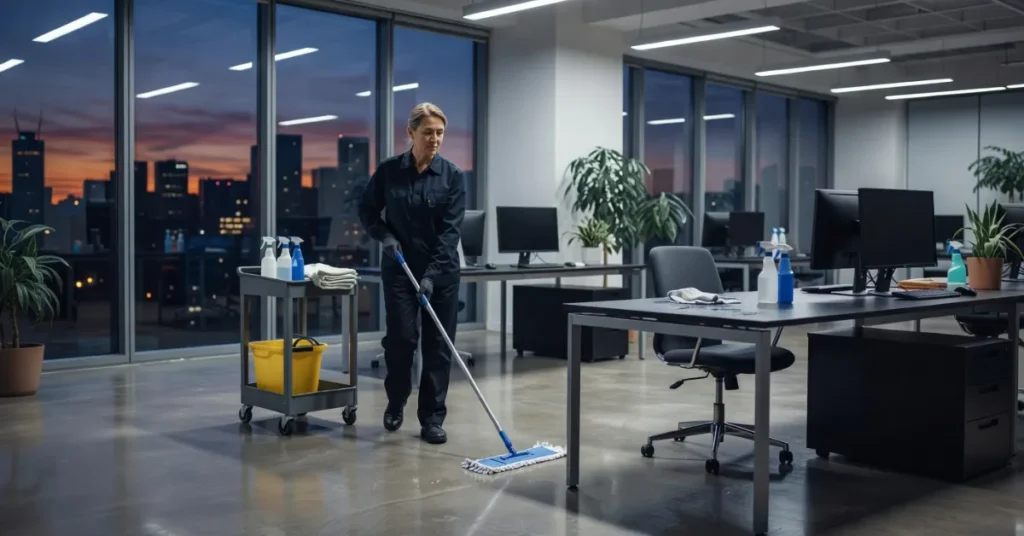
Walk into any thriving business, and you’ll notice something beyond the bustling energy and focused employees, you’ll notice cleanliness. Yet, many business owners overlook the profound connection between workplace hygiene and their bottom line. A cluttered, dusty, or unsanitary workspace isn’t just an aesthetic issue; it’s silently draining your resources through decreased productivity and increased absenteeism. Commercial office cleaning plays a crucial role in maintaining a healthy work environment, and establishing a reliable commercial office cleaning business relationship should be a priority for every organization. In this article, you’ll discover the hidden costs of a dirty office, the science behind workplace hygiene’s impact on performance, and actionable strategies to create a healthier, more productive workspace that keeps your employees engaged and present.
The Shocking Statistics Behind Office Cleanliness and Employee Health
The numbers don’t lie when it comes to workplace hygiene. According to research from the American Journal of Infection Control, the average office desk harbors approximately 10 million bacteria, 400 times more than a toilet seat. Moreover, studies show that poor workplace cleanliness contributes to nearly 16 million lost workdays annually due to cold and flu alone.
Key statistics that business owners need to know:
- Employees working in clean environments take 46% fewer sick days
- Indoor air quality issues account for $15 billion in lost productivity each year
- Unclean offices increase stress levels by up to 32%
- Bacteria can survive on office surfaces for up to 72 hours
These figures paint a clear picture: neglecting office cleanliness directly impacts your workforce’s health and your company’s financial performance. Therefore, understanding these statistics is the first step toward creating meaningful change.
How Dust and Allergens Trigger Respiratory Problems
Indoor air quality significantly affects employee wellbeing. When cleaning is neglected, dust mites, pollen, mold spores, and other allergens accumulate throughout the workspace. These microscopic invaders don’t just settle on surfaces, they become airborne with every movement, door opening, or gust from the HVAC system.
The Respiratory Impact
Employees exposed to poor air quality experience:
- Frequent sneezing and congestion
- Chronic cough and throat irritation
- Asthma flare-ups and breathing difficulties
- Eye irritation and headaches
- Reduced oxygen intake affecting cognitive function
Furthermore, the Environmental Protection Agency identifies indoor air pollution as one of the top five environmental health risks. When employees can’t breathe properly, their bodies divert energy toward managing these symptoms rather than focusing on work tasks.
The Cascade Effect on Productivity
Respiratory issues don’t just cause sick leaves, they create “presenteeism,” where employees show up but operate at reduced capacity. Research indicates that allergies and respiratory symptoms can decrease productivity by 20-30% even when employees don’t take time off.

Bacterial Hotspots That Increase Illness Transmission
Your office is filled with high-touch surfaces that serve as transmission highways for germs and bacteria. Understanding these hotspots helps prioritize cleaning efforts and reduce disease spread.
Primary Contamination Zones
- Keyboards and Computer Mice: Touched thousands of times daily, rarely cleaned
- Door Handles and Light Switches: Contact points for every person entering or exiting
- Break Room Surfaces: Refrigerator handles, microwave buttons, coffee makers
- Conference Room Equipment: Shared phones, remote controls, whiteboards
- Restroom Fixtures: Despite regular cleaning, high traffic increases contamination risk
Additionally, shared office equipment creates cross-contamination opportunities. When one employee comes to work with a cold virus, they can contaminate dozens of surfaces within hours. Without proper commercial office cleaning protocols, these bacteria multiply and spread to every team member who touches these surfaces.
The 24-Hour Rule
Pathogens like norovirus, influenza, and common cold viruses remain viable on surfaces for 24-48 hours. This means that Monday morning’s germs are still present on Tuesday afternoon unless proper sanitation occurs. Regular professional cleaning breaks this transmission cycle.
The Psychological Burden of Working in Clutter and Dirt
Beyond physical health impacts, workplace cleanliness profoundly affects mental wellbeing and cognitive performance. The psychological toll of a dirty office manifests in ways that many leaders fail to recognize.
Mental Health Implications
A cluttered, dirty environment creates:
- Increased Stress Hormones: Visual chaos triggers cortisol production
- Reduced Focus: The brain expends energy processing environmental disorder
- Lower Morale: Employees feel undervalued when their workspace is neglected
- Anxiety and Overwhelm: Disorganization creates subconscious tension
Princeton University researchers found that physical clutter competes for attention, decreasing performance and increasing stress. Consequently, when employees work surrounded by dusty surfaces, overflowing bins, and grimy windows, their mental resources are constantly diverted.
The Professionalism Factor
Moreover, office appearance sends powerful messages about company culture. A well-maintained workspace communicates that leadership values employee wellbeing and professional standards. Conversely, neglected facilities suggest that employee comfort ranks low on the priority list, potentially affecting retention and recruitment.

Quantifying the Financial Cost of Increased Sick Leaves
The economic impact of poor office hygiene extends far beyond cleaning service costs. When sick leave rates increase, businesses face multiple financial pressures that compound over time.
Direct Costs
- Paid Sick Leave: Compensation for absent employees
- Temporary Staffing: Costs to cover essential roles
- Overtime Expenses: Other employees covering additional work
Indirect Costs
- Productivity Loss: Delayed projects and missed deadlines
- Client Dissatisfaction: Service quality decline
- Training Disruption: Interrupted onboarding and development
- Team Morale: Burden on healthy employees
According to the Integrated Benefits Institute, poor health costs the U.S. economy $530 billion annually in lost productivity. While not all health issues stem from office cleanliness, studies suggest that commercial office cleaning improvements can reduce illness-related absenteeism by 15-25%.
ROI of Professional Cleaning
Companies like Morfin Cleaning have demonstrated that investing in comprehensive office sanitation delivers measurable returns. Organizations report that every dollar spent on enhanced cleaning protocols saves an average of $4-5 in reduced sick leave and productivity improvements.
Developing an Effective Commercial Office Cleaning Strategy
Creating a healthier workplace requires strategic planning and consistent implementation. Here’s how to develop a cleaning program that protects employee health and productivity.
Assessment and Planning
1: Conduct a Workplace Audit
- Identify high-traffic areas requiring daily attention
- Note problem zones with ventilation or moisture issues
- Survey employees about cleanliness concerns
2: Establish Cleaning Frequencies
- Daily: Restrooms, kitchens, high-touch surfaces
- Weekly: Floors, windows, detailed dusting
- Monthly: Deep cleaning, HVAC maintenance
- Quarterly: Specialized services (upholstery, air ducts)
3: Choose Professional Services
Research reputable providers that offer comprehensive solutions. Morfin Cleaning, for example, provides customized cleaning protocols based on office size, industry requirements, and specific contamination risks.
Implementation Best Practices
- Use hospital-grade disinfectants on high-touch surfaces
- Implement color-coded cleaning materials to prevent cross-contamination
- Schedule cleaning during off-hours to minimize disruption
- Maintain detailed cleaning logs for accountability
- Provide hand sanitizer stations throughout the facility
Empowering Employees to Maintain Daily Cleanliness
Professional cleaning services form the foundation, but employee participation ensures continuous hygiene between scheduled sessions.
Creating a Cleanliness Culture
Personal Workspace Responsibility:
- Encourage desk decluttering at day’s end
- Provide disinfecting wipes for individual use
- Establish clean desk policies for data security and hygiene
- Designate eating areas to keep food away from workstations
Shared Space Etiquette:
- Post cleaning reminders in break rooms and conference areas
- Create “clean as you go” expectations
- Designate team members to monitor common areas
- Recognize departments that maintain exceptional standards
Educational Initiatives
Furthermore, many employees don’t understand proper hygiene practices. Brief training sessions can address:
- Correct hand-washing techniques
- When to stay home with illness
- Proper food storage and waste disposal
- How germs spread in office environments
When employees understand the connection between cleanliness and their own wellbeing, they become active participants rather than passive beneficiaries.
Leveraging Technology and Air Quality Solutions
Modern technology offers innovative solutions to supplement traditional cleaning methods and improve overall office hygiene.
Air Purification Systems
HEPA Filtration:
- Removes 99.97% of airborne particles
- Reduces allergens, dust, and pathogens
- Particularly beneficial in enclosed offices
UV-C Sanitization:
- Kills bacteria and viruses in HVAC systems
- Prevents mold growth in ductwork
- Improves overall air quality
Smart Monitoring
Additionally, sensor technology now allows real-time tracking of:
- Air quality indicators (CO2, VOCs, particulates)
- Restroom traffic and usage patterns
- Temperature and humidity levels
- Occupancy rates for optimized cleaning schedules
These technologies enable data-driven decisions about when and where to focus cleaning efforts, maximizing efficiency and effectiveness.
Touchless Technology
Reducing surface contact points minimizes disease transmission:
- Automatic faucets and soap dispensers
- Motion-sensor lighting and doors
- Foot-operated door openers
- Voice-activated systems
While representing an initial investment, these upgrades deliver long-term hygiene benefits and demonstrate commitment to employee health.
Frequently Asked Questions
Q1: How often should commercial offices schedule professional cleaning services?
Most offices benefit from daily cleaning of high-traffic areas like restrooms and break rooms, with comprehensive cleaning 3-5 times weekly. However, the ideal frequency depends on office size, employee count, and industry requirements. Healthcare and food-service businesses require more frequent sanitization than standard corporate offices.
Q2: What’s the difference between cleaning, sanitizing, and disinfecting?
Cleaning removes visible dirt and debris; sanitizing reduces bacteria to safe levels; disinfecting kills nearly all pathogens. Effective commercial office cleaning incorporates all three processes, using appropriate products for each surface type and contamination level.
Q3: Can a dirty office actually cause long-term health problems?
Yes, prolonged exposure to poor air quality, mold, and bacteria can contribute to chronic respiratory conditions, allergies, and even immune system compromise. Additionally, the chronic stress from working in unclean environments affects cardiovascular health and mental wellbeing over time.
Q4: How can I convince management to invest more in office cleaning?
Present data on current sick leave rates and productivity metrics, then compare with industry benchmarks for clean facilities. Calculate potential savings from reduced absenteeism and improved performance. Many companies find that enhanced cleaning services pay for themselves through decreased health-related costs.
Q5: What should I look for when selecting a commercial cleaning company?
Prioritize companies with proper training certifications, insurance coverage, and verifiable references. Look for services that use eco-friendly products, maintain consistent staff assignments, and provide detailed cleaning checklists. Companies like Morfin Cleaning that offer customized protocols and responsive communication typically deliver superior results.
Conclusion
The evidence is undeniable: workplace cleanliness directly impacts employee productivity, health, and organizational success. From the millions of bacteria lurking on office surfaces to the psychological burden of working in disorder, a dirty office creates hidden costs that far exceed professional cleaning investments.
By implementing comprehensive commercial office cleaning strategies, leveraging modern technology, and fostering a culture of shared responsibility, businesses can dramatically reduce sick leaves while boosting morale and performance. The solutions aren’t complex, they simply require commitment and consistency.
Your employees spend one-third of their lives in your office. Doesn’t their health and productivity deserve a clean, safe environment? Contact Morfin Cleaning Today to develop a customized sanitation strategy that protects your most valuable asset, your people, while delivering measurable improvements to your bottom line.
What changes will you implement this week to create a healthier workspace for your team?