


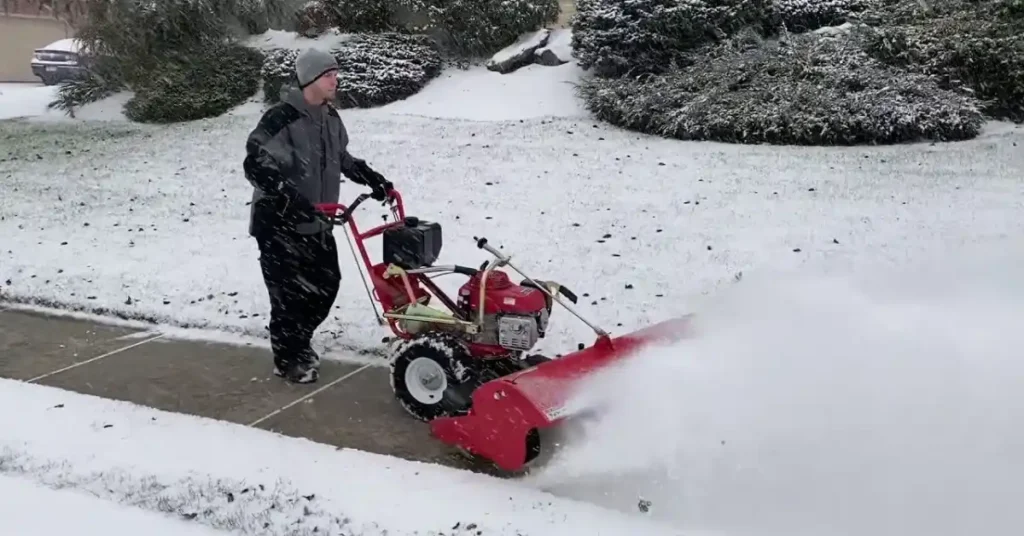
Winter brings a beautiful blanket of snow, but for homeowners and businesses, it also brings the task of sidewalk snow removal. Whether you’re managing a residential walkway or a busy commercial path, clearing snow efficiently is essential for safety and convenience. Snow removal sidewalks can feel like a chore, but with the right approach and equipment, it doesn’t have to consume your entire morning. In this article, we’ll explore practical methods to make snow removal on sidewalks faster, easier, and more effective.
Understanding the Basics of Sidewalk Snow Removal
Before grabbing a shovel or snow blower, it’s important to understand the fundamentals of snow removal from sidewalks. Removing snow isn’t just about aesthetics; it’s about safety. Ice patches left behind can be dangerous for pedestrians, and accumulated snow can become compacted and harder to remove over time.
Why Timing Matters
The sooner you begin clearing, the easier it is to manage. Fresh, powdery snow can be removed in minutes, but once it starts melting and refreezing, it forms ice that is much tougher to tackle. Starting early also reduces the number of times you need to shovel during a heavy snowfall.
Choosing the Right Tools
Effective sidewalk snow removal requires proper tools. For light snowfalls, a durable shovel might be enough. For larger or commercial areas, snow removal equipment for sidewalks, such as push snow blowers or sidewalk plows, can save significant time and effort. Using the right tools not only speeds up the process but also protects your back from unnecessary strain.
Efficient Shoveling Techniques
Shoveling may seem straightforward, but there’s a technique to make it more efficient and less tiring. Proper form and strategy can reduce the risk of injury and save time.
Start at the Center
Begin clearing snow from the center of the sidewalk and work outward. This allows snow to pile along the edges instead of obstructing areas you still need to clear.
Use a Proper Shovel Angle
Hold your shovel close to your body and lift with your legs, not your back. A small, angled shovel can help remove snow in layers rather than trying to lift large amounts at once.
Pace Yourself
Don’t rush. Shoveling in intervals allows you to maintain steady energy and prevents overexertion. Remember, snow removal on sidewalks is a marathon, not a sprint.
Using Salt and Ice Melt Safely
After removing snow, ice can still pose a hazard. Proper use of salt and ice melt ensures a safe, slip-free surface.
Choosing the Right Product
Rock salt is common, but there are alternatives like calcium chloride or magnesium chloride, which work at lower temperatures and are less damaging to concrete.
Application Tips
Apply evenly across the cleared area, focusing on spots prone to refreezing, like shaded sections or uneven patches. Avoid overusing chemicals, as this can harm nearby plants and damage the surface of your sidewalk over time.
Combining With Physical Removal
Salt works best when combined with physical snow removal. Sprinkling salt on top of thick snow won’t melt it effectively. Always remove as much snow as possible before applying any ice-melting product.
Leveraging Snow Removal Equipment
For larger sidewalks or frequent snowfall, using equipment can drastically reduce time and effort. Investing in reliable snow removal equipment for sidewalks can make winter maintenance less daunting.
Types of Equipment
- Push Snow Blowers: Ideal for moderate snow depths, lightweight, and easy to maneuver.
- Walk-Behind Plows: Perfect for clearing wider sidewalks quickly.
- Handheld Snow Shovels: For precision spots and finishing touches.
Maintenance Matters
Keep your equipment in good condition by cleaning and storing it properly after each use. Well-maintained tools last longer and perform better, ensuring each snow removal session is efficient and safe.
Preventing Common Snow Removal Problems
Even with the right tools and techniques, some pitfalls can make snow removal from sidewalks more challenging. Knowing how to prevent them saves time and effort.
Avoid Compacted Snow
Remove snow frequently during long storms. Allowing it to build up increases compaction, making it harder to clear later.
Watch for Hidden Ice
After heavy snowfalls, thin ice layers can hide underneath. A cautious approach using proper footwear and ice melt can prevent slips and injuries.
Keep Drainage in Mind
Ensure sidewalks are slightly sloped or have drainage channels to prevent water from pooling and refreezing. This reduces long-term maintenance and improves safety.
Safety and Ergonomics
Snow removal sidewalks can be physically demanding. Protecting your health during these chores is essential.
Warm Up Before Shoveling
Stretching or a short walk can prepare your muscles and reduce the risk of strains.
Dress Appropriately
Layering, gloves, and waterproof boots make snow removal more comfortable and reduce exposure to cold-related injuries.
Take Breaks
Even with efficient techniques, fatigue increases the chance of accidents. Regular breaks keep energy levels consistent and your movements safe.

FAQs About Sidewalk Snow Removal
How often should sidewalks be cleared of snow
Sidewalks should ideally be cleared as soon as possible after snowfall, and during long snow events, it’s helpful to remove snow in intervals to prevent compaction.
Can I use regular salt for all sidewalks
While rock salt works in most conditions, calcium chloride or magnesium chloride are better for very low temperatures and cause less concrete damage.
What is the best snow removal method for large sidewalks
For wider areas, using a walk-behind plow or push snow blower is faster and more efficient than shoveling alone.
Do I need special equipment for light snowfall
For light, powdery snow, a durable shovel is usually sufficient, but small handheld tools can help with precise areas.
How can I prevent ice from forming after clearing snow
After removing snow, apply ice melt products sparingly and make sure water can drain away to minimize refreezing.
Conclusion
Sidewalk snow removal doesn’t have to be a back-breaking task. By understanding proper techniques, timing, and using the right tools, you can save hours while keeping your walkways safe. From efficient shoveling methods to leveraging snow removal equipment for sidewalks, every step contributes to faster, more effective winter maintenance. For those seeking professional assistance, Morfin Snow Removal on Sidewalks offers expert services that make winter hassle-free, allowing you to enjoy the season without worrying about icy paths. Don’t let snow slow you down; a little preparation goes a long way in making your sidewalks safe and accessible.